Research Portals · Structured Discovery · Public Knowledge Access · Institutional Clarity

Build research portals that organize serious knowledge clearly and make public information easier to discover.

WebsDocs develops research and knowledge portals for institutions, think tanks, policy initiatives, documentation-heavy projects, and public-facing organizations that need more structure than ordinary website pages can provide.

These portals bring publications, briefs, archives, frameworks, topic pages, and supporting documents into a clearer system with stronger hierarchy, better navigation, and more dependable public access across layered content.

Structured research environments for publications, archives, public explanation, and connected knowledge access View AI Demo
Structured for research visibility Clearer public knowledge access Better hierarchy across complex material Built for serious institutional use

What This Service Is

A structured research portal built to present serious knowledge with clearer public access.

Some projects cannot be communicated properly through ordinary website patterns. Research initiatives, policy platforms, institutional frameworks, archives, and knowledge-heavy public work often contain layered topics, connected documents, and multiple levels of explanation that need stronger structure.

WebsDocs develops research portals as structured public-facing systems that make this material easier to organize, easier to navigate, and easier to discover. Instead of relying on disconnected pages, the portal is shaped around clearer hierarchy, stronger topic relationships, better navigation paths, and more deliberate knowledge access.

The result is a more credible and usable research environment for institutions, think tanks, NGOs, public initiatives, and serious knowledge-led projects that need stronger presentation than a standard website can provide.

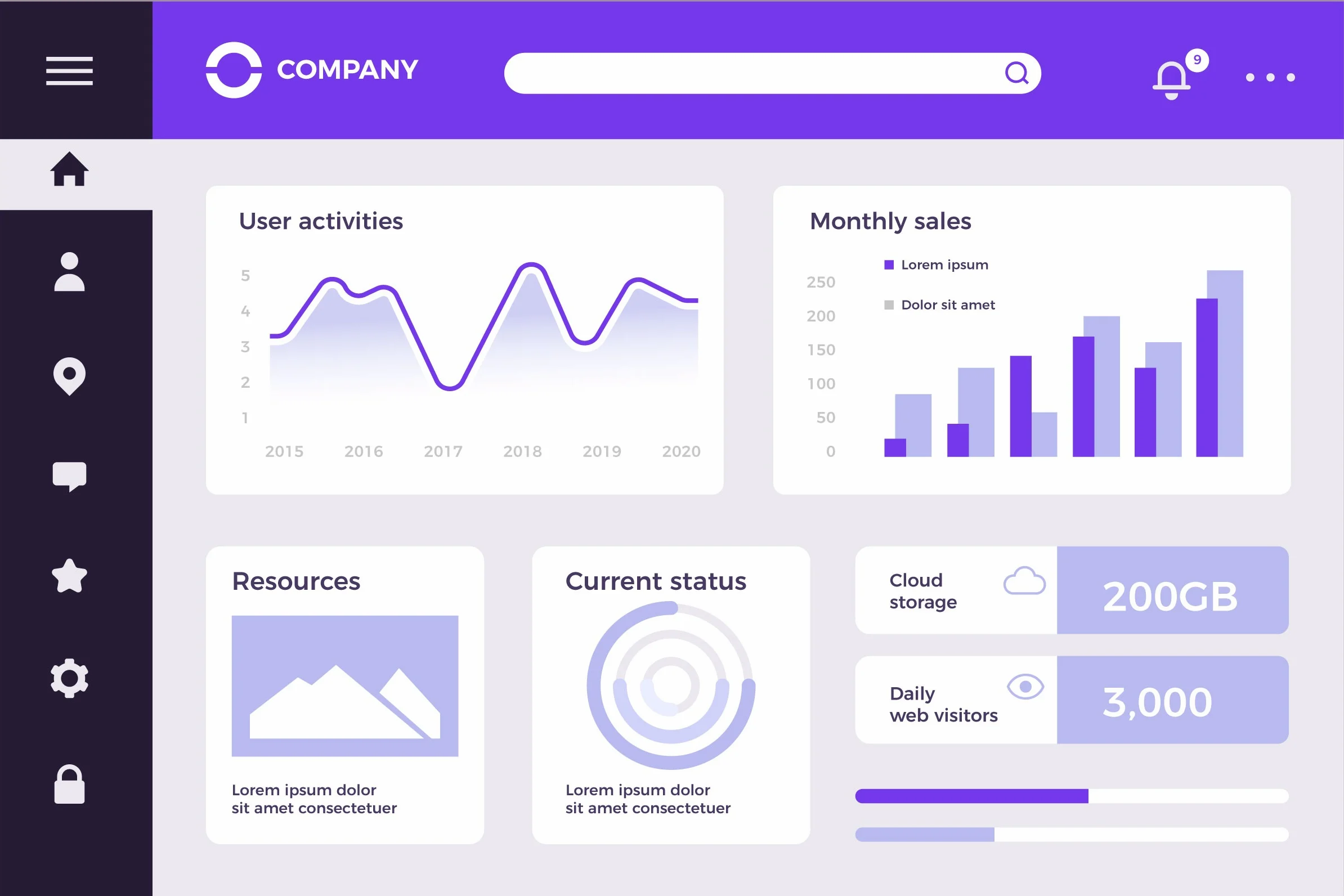
Structured research portal with layered navigation, document collections, and organized topic access
What this usually improves Clearer topic structure, stronger public navigation, better access to supporting documents, and a more credible way to present serious research material online.

Research Portal Pricing

Structured portal pricing for research, public knowledge, and layered information systems.

Research portals are scoped as structured knowledge systems rather than ordinary page-based websites. Final pricing usually depends on hierarchy depth, topic architecture, content relationships, document volume, search and discovery behavior, public explanation needs, and the level of structure required across the portal.

Tier 01

Foundation

$1,500–$3,500

Best for smaller research or knowledge portals that need a clearer starting structure, better hierarchy, and a more deliberate public presentation than ordinary website pages.

  • Focused portal scope
  • Smaller knowledge structure
  • Clearer public explanation
  • Practical first-phase portal delivery
Email Directly
Tier 02

Business

$3,500–$8,000

Suitable for broader research-facing or public knowledge portals that need stronger topic grouping, better content pathways, and more layered explanation across connected sections.

  • Broader topic grouping
  • More layered sections and pages
  • Stronger public-facing clarity
  • Expanded information architecture
Email Directly
Tier 03

Professional

$8,000–$18,000

Designed for more advanced research portals that need stronger knowledge architecture, structured navigation, document relationships, and a more complete professional delivery layer.

  • Larger information structure
  • Deeper system organization
  • More advanced navigation logic
  • Higher presentation and implementation depth
Email Directly
Tier 04

Advanced

$18,000–$40,000

Built for broader research systems that require stronger structural planning, multi-part delivery, larger document ecosystems, layered navigation, and more advanced technical coordination.

  • Broader multi-section portal delivery
  • Higher content and framework volume
  • Advanced structural planning
  • Stronger long-range scalability
Email Directly
Tier 05

Enterprise / Strategic Custom

$40,000–$120,000+

Intended for institutional knowledge ecosystems, public research platforms, framework-heavy environments, or strategic custom portals requiring layered architecture, major scope variation, and broader implementation planning.

  • Institutional or enterprise portal scope
  • Strategic custom architecture
  • Large system depth and scale
  • Tailored review and planning path
Email Directly

How scope is usually defined

Portal scope is usually shaped around topic hierarchy, document relationships, public access needs, navigation depth, search and discovery behavior, and the amount of structured content that needs to work together.

How projects usually begin

Most portal projects begin with a scope discussion, a review of existing material, or a rough portal outline. Once the structure, audience, and knowledge depth are clearer, the right implementation tier and delivery path can be confirmed.

Email Directly

Research Portal Scope Review

Request a structured quote or discuss portal scope.

Use this form to describe your portal structure, topic architecture, research depth, document relationships, navigation needs, and broader system goals.

Why Portals Are Different

Research and knowledge portals need stronger architecture than standard service websites.

A normal website is usually built to explain services, guide contact flow, and move visitors through a limited set of pages. A research portal works differently. It has to organize layered information, connected documents, topic relationships, and multiple levels of public explanation without making the experience feel scattered or overwhelming.

Standard Website

Built for simple page flow

Most business websites are designed around services, contact paths, and a smaller number of direct page types. That model works well for straightforward communication, but it is not built for deeper knowledge architecture.

Research Portal

Built for layered knowledge access

Research portals often include publications, frameworks, archives, topic collections, public references, supporting documents, and connected explanatory pages that must work together as one structured environment.

Why Structure Matters

Architecture reduces confusion

Without stronger hierarchy, content grouping, and navigation logic, serious material becomes harder to browse, harder to interpret, and less useful for the people who actually need to explore it properly.

What This Changes

Better access, better understanding

A stronger portal structure makes complex information easier to discover, easier to follow, and more credible in public use. Visitors can move through serious material with more clarity and less friction.

Portal Logic

A research portal is not just more content. It is a more deliberate system for presenting knowledge.

What a Research Portal Brings Together

A portal turns layered material into one clearer public system.

Research and knowledge work often lives across separate documents, fragmented explanations, disconnected topic pages, and scattered supporting material. A portal brings these elements into one coherent structure so visitors can move through the work with better understanding.

Instead of treating frameworks, summaries, references, and document collections as isolated pieces, the portal connects them through stronger hierarchy, clearer grouping, and deliberate navigation.

In practice, this means the portal is not only a place to publish information. It becomes a structured access environment for research, explanation, supporting documents, and long-form knowledge.

Portal Layer

Framework Pages

Explain systems, concepts, methods, and organizational structures clearly instead of leaving important logic spread across disconnected fragments.

Portal Layer

Documentation Libraries

Bring documents, references, and supporting material into grouped structures so the knowledge base feels organized instead of scattered.

Portal Layer

Research Summaries

Turn longer research, technical material, or policy work into readable public-facing pages without losing seriousness or depth.

Portal Layer

Knowledge Navigation

Create clearer pathways across categories, topics, sections, and related material so users can browse without confusion or overload.

Best Fit

Built for institutions, research initiatives, and knowledge-heavy projects that need stronger public structure.

Research portals are best suited to projects where important material cannot be explained clearly through ordinary website pages alone. They work especially well for research groups, think tanks, NGOs, institutional knowledge platforms, framework-based initiatives, and public education projects that need layered information to stay understandable in public use.

Research Portal

A structured public-facing environment for research explanation, publications, topic pages, archives, and supporting material that need to work together clearly.

Framework Portal

A portal for explaining layered concepts, models, methods, taxonomies, or organizational logic across multiple connected pages with stronger structure.

Knowledge Library

A more document-led portal that helps users browse, locate, and understand structured material through better grouping, navigation, and public readability.

Documentation-Connected Portal

In many projects, the portal is the public-facing layer of a broader documentation system, turning frameworks, notes, drafts, and reference material into a clearer access environment.

Research groups and academic initiatives Think tanks and policy projects NGOs and institutional knowledge platforms Framework-based and public education projects

That is why WebsDocs treats portal development as both a website task and an information architecture task: the portal must not only look public-facing, but also keep the logic of the material intact.

Starting Point

Existing material is enough to begin

Projects can begin with drafts, notes, PDFs, topic lists, research files, and rough ideas without needing a perfect final structure in advance.

Structure Pass

Hierarchy and navigation come first

The work begins by defining main sections, topic relationships, public pathways, and the right order for presenting layered knowledge.

Before

Scattered and harder to follow

Disconnected explanations, weak hierarchy, difficult browsing, fragmented framework logic, and layered material presented without a clear public order.

After

Clearer, more usable, more credible

Better section hierarchy, stronger category structure, easier navigation, clearer explanation across layers, and a more coherent public knowledge system overall.

From Material to Portal

Start with what exists, then shape it into a clearer public knowledge system.

A portal does not require perfectly prepared content at the start. Many projects begin with scattered notes, draft pages, PDFs, research summaries, supporting documents, rough navigation ideas, or a framework that has not yet been organized for public use.

The first step is to understand the material, define the major layers, identify what belongs together, and shape a clearer hierarchy. From there, the portal can be built as a more coherent system instead of a loose collection of pages.

This is where portal work becomes especially valuable: it turns material that already exists into something easier to navigate, easier to understand, and more credible in public presentation.

Related Service Routes

Choose the website support path that matches the next stage of your project.

WebsDocs service routes support different needs: new website builds, existing website improvement, documentation systems, and knowledge-focused digital environments.

Website Development

New websites, structured business pages, prebuilt website packs, and custom website systems.

Website Optimization

Speed, structure, cleanup, technical fixes, usability refinement, and performance improvements.

Documentation Systems

Structured documents, draft libraries, business files, operational content, and reusable systems.

Next Step

Turn complex research material into a portal people can actually navigate, understand, and use.

WebsDocs builds research and knowledge portals for projects that need more than ordinary pages. From layered explanations and connected documents to public-facing frameworks and structured archives, the goal is to shape serious material into a clearer, more credible, and more usable public system.